
Plug-and-play mobile solar power stations for mines, telecom towers, oil & gas sites, construction camps and remote communities — from Nigeria to Kenya, Ghana to South Africa. No grid connection. No building permits. Power in days, not months.
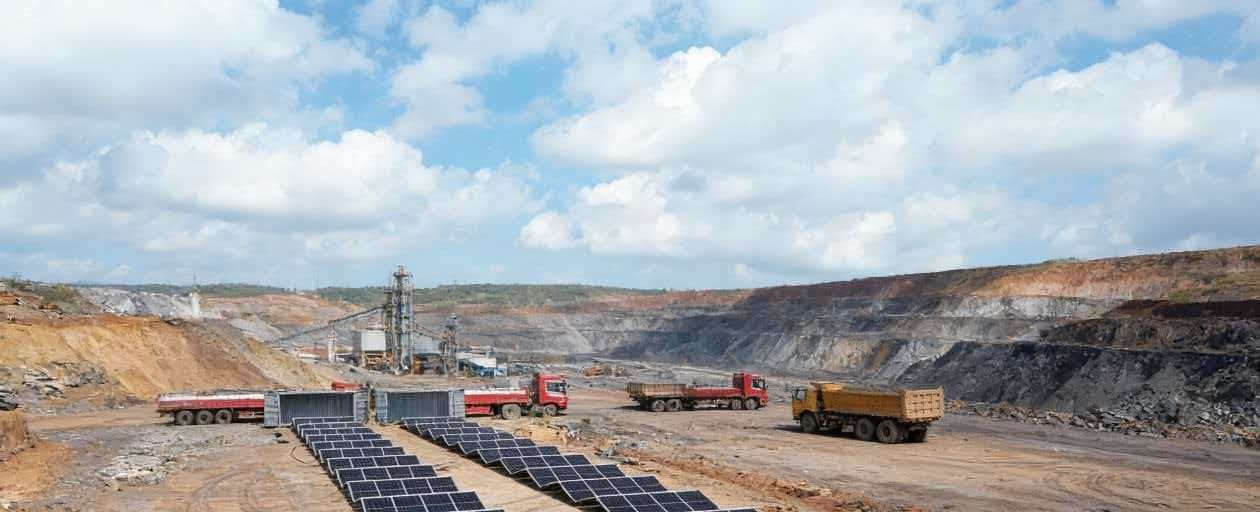
Power mineral processing, water purification and camp facilities at remote mines in DRC, Zambia, Ghana and Burkina Faso — where grid extension is economically impossible.
Off-grid power for cell towers and base stations across rural Nigeria, Kenya and Tanzania. Cut diesel fuel logistics and tower downtime simultaneously.

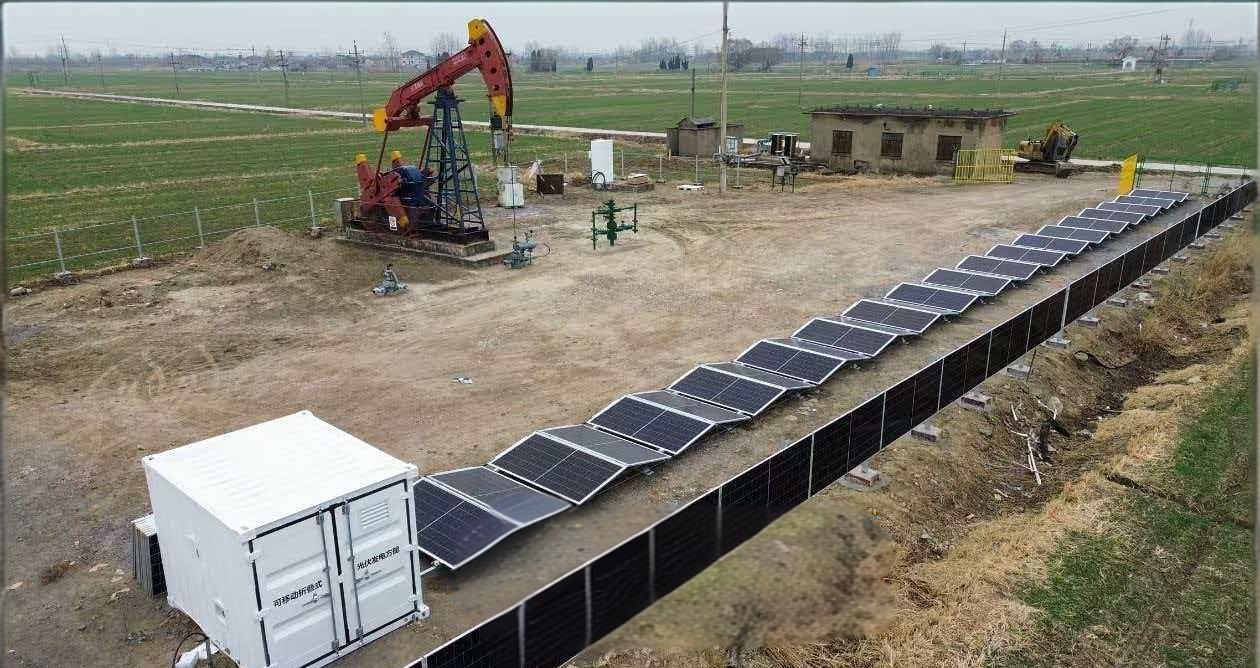
Well-site instrumentation, pumps and living quarters in the Niger Delta, Angola and Equatorial Guinea — reliable power with zero fuel-supply risk.

Worker camps, site offices, cranes and lighting for road, rail and port projects. Deploy the same week, relocate when the job moves.
Irrigation pumps and cold storage for farms and agro-processing plants in Ghana, Uganda and Ethiopia — power the harvest, not the fuel truck.
Village-scale mini-grids powering schools, clinics and water systems — aligned with national rural electrification programs across sub-Saharan Africa.
Africa's energy gap is exactly what container solar was built for.
Diesel generation on isolated African sites costs USD 0.30–0.80 per kWh once fuel logistics are included. Container solar delivers power at a fraction of that cost, with zero fuel transport or theft risk.
Operators like Vodafone, Airtel and Orange standardize on off-grid containers for tower electrification. Each unit removes 10–15 tons of annual diesel consumption and cuts operating costs 60–70%.
Grid extension in rural Africa can take years. A container solar unit is factory pre-wired, arrives as one standard shipping container, and is commissioned in 3–7 days by local crew.
Marine-grade, dust-sealed enclosures rated for tropical climates. Starlink satellite monitoring gives you performance data and remote diagnostics even with zero cellular coverage.
Yes. Container solar systems in the 10–500kW range power mineral processing, water purification, workshop lighting and staff facilities at remote mining sites where grid extension is not feasible. Hybrid solar + battery configurations typically cut diesel consumption by 60–80%.
Yes. Telecom operators including Vodafone, Airtel and Orange have standardized on off-grid container solutions for tower electrification across rural Africa. Each unit typically eliminates 10–15 tons of annual diesel fuel consumption and reduces operating costs by 60–70%.
Units are pre-wired and pre-tested in our Wuxi factory. Once shipped, commissioning takes 3–7 days: deliver, plug, and power up. No building permits, no grid connection, no lengthy installation.
Systems operate fully off-grid with battery storage, so they keep running at night and on cloudy days. A diesel hybrid option is available for 24/7 high-load operations, and Starlink monitoring reports performance data even without cellular signal.
Remote-site diesel power costs USD 0.30–0.80 per kWh. With an EMC (energy management contract) model, you pay per kWh at 40–60% below diesel cost with zero upfront investment; with EPC you own the system from day one.